

The tuberculosis research facility is a specialized laboratory unit at the Research Foundation in Tropical Diseases and the Environment, designed for the phenotypic and genotypic study of Mycobacterium tuberculosis. This facility focuses on Mycobacterium tuberculosis culture, molecular analysis and drug susceptibility profiling (for both first and second-line anti tuberculosis drugs).
This unit is also concerned with Genomic research involving human-pathogen (human-Mycobacterium tuberculosis) genome interaction through Whole Genome Sequencing (WGS) and Bioinformatics analysis, in collaboration with external partners.
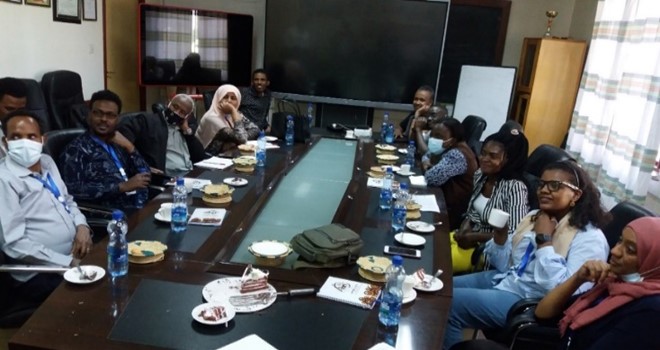
Our Areas of Competence
Clinical research
We are well trained in conducting observational and interventional studies for the improvement of tuberculosis diagnosis, treatment and prevention.
Epidemiological surveillance
We are very invested in monitoring tuberculosis trends, risk factors and transmission patterns in our community, alongside collecting and analysing tuberculosis data that will help inform national and regional tuberculosis control strategies.
Laboratory investigations
Our main investigations at the laboratory level involves Mycobacterium tuberculosis culture, molecular analyses, drug susceptibility testing and bio banking.
Community engagement and health education
We have expertise in educating communities on tuberculosis prevention, early detection and treatment adherence. We also have demonstrated skills at engaging patients and stakeholders for improved research participation and impact.
Policy and advocacy support
Our works help in generating evidence to support policy development and implementation, through collaborations with governments and external partners on tuberculosis control programs.
Data management and analysis
We are skilled in maintaining secure databases for tuberculosis research and surveillance, as well as applying statistical and computational tools to interpret research findings.
Capacity building and training
We are dedicated to transferring knowledge and building capacity for the next generation of scientists by providing hands-on training to undergraduate and graduate students through workshops, seminars and internships on tuberculosis research methodologies and laboratory techniques.
Community engagement and health education
We have expertise in educating communities on tuberculosis prevention, early detection and treatment adherence. We also have demonstrated skills at engaging patients and stakeholders for improved research participation and impact.
Our Facilities
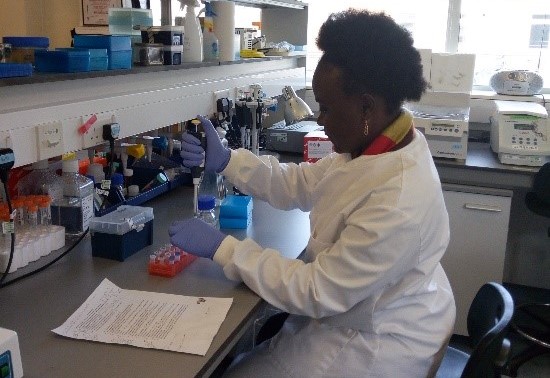
The tuberculosis research unit is divided into sections, with each section being dedicated to a specific purpose. These consist of; the data room which is dedicated to data management and storage, the Reagent and media preparation room which is dedicated to reagent and media preparation and storage, the culture room which is solely dedicated to the manipulation of live Mycobacterium tuberculosis isolates and the general molecular work bench that is dedicated to nucleic acid extractions.
Collaborations
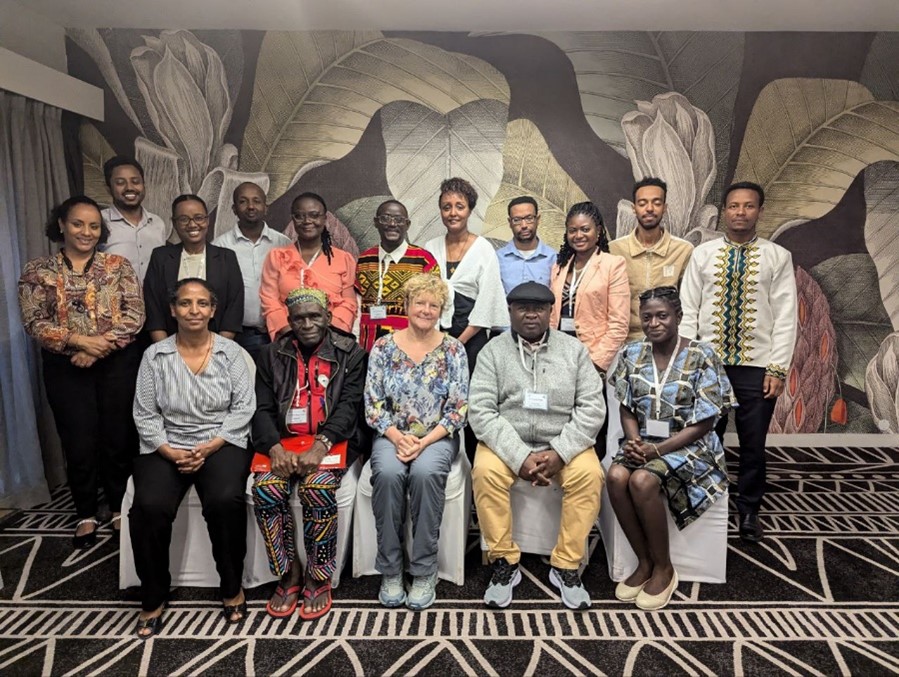
We at the tuberculosis research unit believe that advancing tuberculosis research requires strong, multidisciplinary partnerships. We actively collaborate with academic institutions, public health agencies, hospitals, and international research organisations to accelerate the discovery of innovative diagnostics, treatments, and prevention strategies.
Some of our collaborating partners include; the Armauer Hansen Research Institute of Addis Ababa, Ethiopia; the Institute of Endemic Diseases, University of Khartoum-Sudan; Eritrea Institute of Technology, Eritrea; University of Sussex, United Kingdom University of Yaounde I, Cameroon; and the University of Buea, Cameroon.
Our collaborative approach fosters data sharing, joint grant applications, capacity building, and co-authored publications. We welcome opportunities to work with researchers, clinicians, policy makers, and community organisations who share our commitment to eliminating tuberculosis and improving global health outcomes.
Some of Our Publications
1. Tcheumeni DGK, Meriki HD, Denise S, Nkimbeng DA, Magha C, Tchatat MN, Ritter M, Hoerauf A, Wanji S. (2022). Predictors of advanced HIV disease in patients on antiretroviral therapy at the Buea Regional Hospital and co-infection rates of Mycobacterium spp. and Cryptococcus spp. Research square. DOI: https://doi.org/10.21203/rs.3.rs-2184488/v
2. Weldeslassie M, Cho JF, Eyoab I, Nkimbeng DA, Magha C, Tcheumeni DGK and Wanji S. (2023). Assessment of Co-Infection in Tuberculosis Patients Prior to their Enrollment to the Direct Observed Treatment (Dot) Program in Buea, Limbe and Douala Tuberculosis Treatment Centers. Asian Jounal of Healh Sciences. 9(1):49
3. Magha C, Nchang LC, Weldeslassie M, Nkimbeng DA, Tchatat NM, Meriki HD, Deribe K, Nietcho FN, Foyet JV, Fombad FF, Katcho TD, Cho JF, Gebremeskel EI, Waddell SJ, Bobosha K, Newport MJ, Hoerauf A, Ritter M and Wanji S (2024) Comorbidity profiles among sputum-positive tuberculosis patients in Cameroon. Tuberc. 2:1433856. doi: 10.3389/ftubr.2024.1433856
4. Nchang LC, Magha C, Fonong PA, Gandjui NVT, Tchatat NM, Nkimbeng DA, Nietcho FN, Foyet JV, Fombad FF, Katcho TD, Cho JF, Hoerauf A, Ritter M, Wanji S (2025). Parasitic infection prevalence in tuberculosis patients and their household contacts in the Littoral Region of Cameroon. Parasite epidemiology and control. 28. https://doi.org/10.1016/j.parepi.2025.e00409
5. Genetic Diversity and Drug-resistance Patterns of Mycobacterium tuberculosis from Pulmonary Tuberculosis Patients in the South West and Littoral Regions of Cameroon (pending publication).